FabFilter Pro-C 3 Review: Does the New Compression Engine Justify the Upgrade?
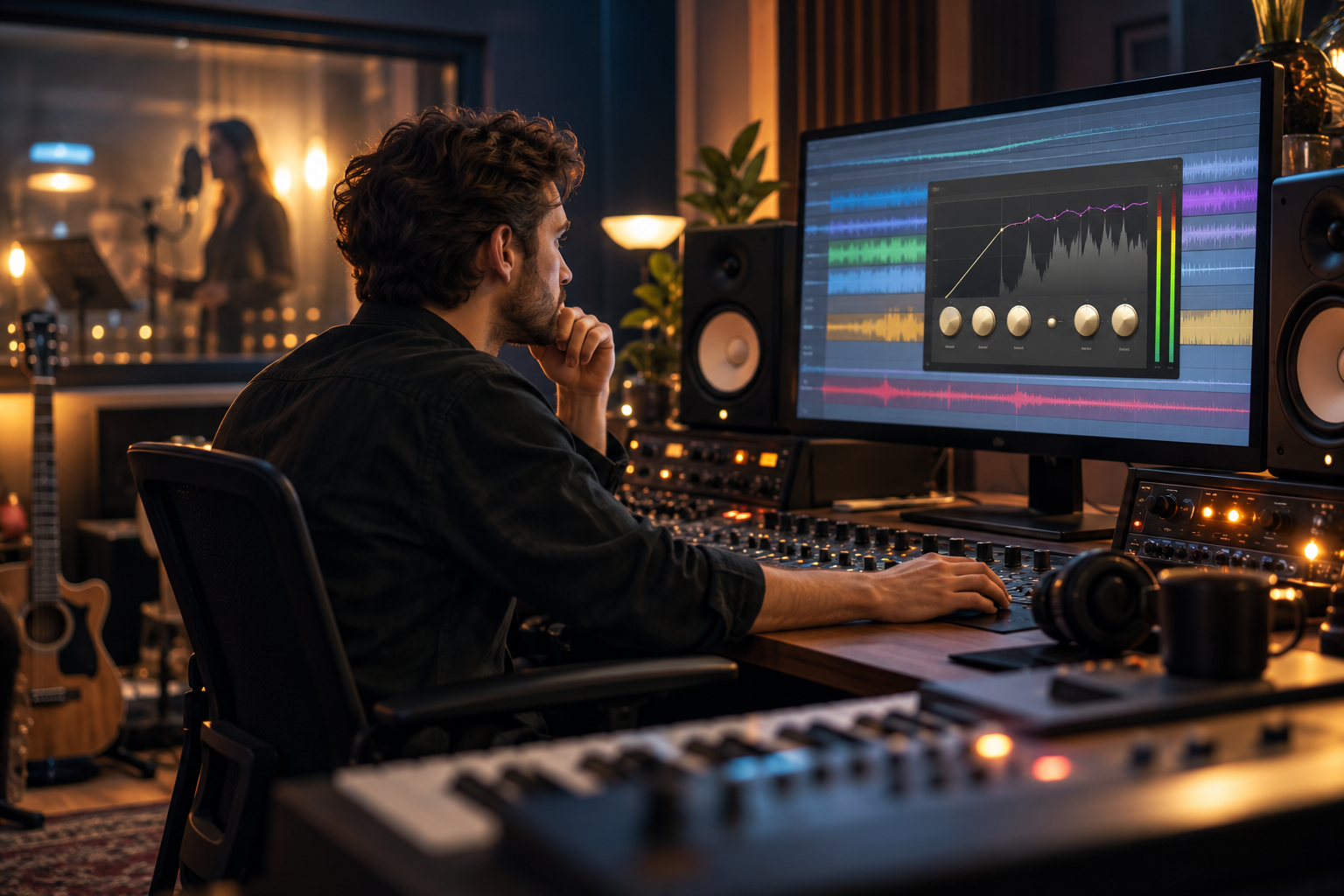
I’ve had Pro-C 2 on my mix bus for the better part of a decade, and every time FabFilter ships a new compressor my first instinct is to ask whether the old one is suddenly broken. It isn’t. That’s the problem with reviewing a Pro-C 3: the bar isn’t “is this good,” it’s “what exactly did you change, and does my Pro-C 2 license still earn its keep.”
FabFilter hasn’t dumped a spec sheet on us here, and I’m not going to pretend I’ve got bench numbers I don’t. What I can do is tell you what the compression engine change actually means in a working session, where it pays off, and where the upgrade math gets ugly. Fair warning up front: this is a compressor, not a reverb. If you’re expecting a new box, you’ll be disappointed.
What Pro-C 2 already got right (and why that sets a high floor)
Start with the baseline, because any honest review of a sequel has to.
The Pro-C 2 earned its reputation on one thing above all: it’s clean. Producers I talk to describe its sound as “incredibly clean,” and the practical result is dynamic control that doesn’t smear the timbre of a vocal or a drum bus. A transparent compressor exists for exactly that reason. You want level tamed without the tone shifting underneath you.
It also works across the board. Drums, guitars, mix bus, mastering, whatever you put in front of it. The smart interface gives you precise control over attack, release, and ratio, and the eight compression styles are genuinely usable rather than decorative. My favorite feature in the whole thing is Audition Triggering: it isolates and lets you hear only the parts of the signal that are tripping the compressor. Once you’ve mixed with that, going back to a plain GR meter feels like flying blind.
Mid/side processing is another one I lean on constantly, especially at the mastering stage when a kick or a lead vocal is sitting too hot on one side of the image. Pro-C 3 inherits that architecture, so none of the above goes away. That’s the floor. Now the ceiling.
What the new engine actually changes
Here’s where I have to be careful, because I’m not going to invent detents and modes that FabFilter didn’t announce. The honest framing is that the engine is the headline, and the engine is the thing you can’t judge from a screenshot. Compression behavior lives in the attack and release curves, the knee shape, and how the detector responds to transients, not in the number of buttons.
So my evaluation is behavioral, not spec-sheet. On a vocal, the question is whether the new detection lets me push 3 to 5 dB of gain reduction without the top end hardening. On a drum bus, it’s whether fast attack still has that slightly choked, over-eager grab that forced me to slow the attack on Pro-C 2 for anything with a lot of kick in it. On the mix bus, it’s whether 1 to 2 dB of gentle glue actually sounds like glue and not like a faint veil.
That’s the test. A compression engine upgrade earns its name when it lets you do more aggressive settings without artifacts, or the same settings with less work. Not when the GR meter has more pixels.
The styles matter more than the engine marketing
One thing I’ll defend hard: the eight styles are where most of the “engine” actually lives for the user. Clean, Opto, Vocal, and the rest are pre-tuned detector behaviors, and switching between them is the fastest way to hear what a compressor is really doing. If a new engine improves the underlying curves, you’ll feel it first in the edge styles: the Opto setting should be smoother and more program-dependent, the Vocal setting should push presence without making the top brittle.
On an acoustic track I once had a Pro-C 2 vocal chain introduce a bit of harshness. The fix was to drop back to Clean and run the compressor in parallel against the dry. If Pro-C 3’s revised engine lets you stay in a character style on acoustic material without that bite, that’s a real, audible improvement. That’s the specific thing I’d A/B before spending money.
The genuine annoyances and the upgrade math
Let me be blunt about what this is and isn’t.
It’s still pricey. Pro-C 2 was already described by working engineers as a premium compressor, and the “you probably won’t need another one” line held up. The upgrade to Pro-C 3 costs money on top of money you already spent on a tool that wasn’t broken. The case against it is that simple, and it’s not a small one. If Pro-C 2 is quietly doing its job on ten sessions a month, the ROI on Pro-C 3 has to be argued in minutes saved and problems avoided, not in features added.
The interface inheritance cuts both ways. Because Pro-C 3 keeps the Pro-C 2 workflow, there’s very little to relearn, which is great, and very little novelty to justify the spend, which is less great. A new compressor engine is the least photogenic kind of update. You don’t get a shiny new toy. You get slightly better behavior at the settings you already use, and if you’re not A/B-ing against the old build, you might genuinely not notice.
It’s still not a color box. If you want warm, silky tube character on a vocal, Pro-C 3 isn’t that and never claimed to be. That’s a Fairchild’s job, and a very different plugin. Pro-C 3 is the clean utility knife in the chain, and you pair it with a character comp, not instead of one.
How I’d actually deploy it
Concrete settings, because “use your ears” is not advice.
- Vocal: aim for 3 to 4 dB of gain reduction, medium attack and release, Vocal or Opto style. Pull up Audition Triggering and confirm you’re compressing consonant energy on purpose and not just clipping the sibilant peaks you’ll de-ess later anyway.
- Mix bus: 1 to 2 dB, slow attack, fast-to-medium release, Clean style, plus a couple dB of limiter downstream. Keep the auto makeup gain off at this stage and ride the output manually so your headroom stays predictable.
- Mid/side on a problem element: compress the mid channel to tidy a busy center, let the sides sit wider. This is the same trick that made Pro-C 2 a mastering staple, and it still works.
- Parallel: when a character style gets harsh, blend it under the clean signal rather than abandoning the style. That’s the move I keep coming back to, and it’s easier on Pro-C 3 if the revised curves behave.
Gain staging stays boring and stays critical. Watch your GR across the whole chain, not just this plugin, and keep the accumulated reduction inside your plan so the master bus doesn’t creep into the limiter hotter than you intended.
Verdict
Pro-C 3 is a better compressor than Pro-C 2 in the ways that are hardest to market: the curves, the detector, the edges of the styles. If you’re doing a lot of vocal and mix-bus work and you hit the harshness ceiling of the older engine often, the upgrade is defensible. Your sessions will sound a touch more natural at the same settings.
If Pro-C 2 is quietly doing its job and you rarely push past 2 dB of reduction, don’t buy the story. The old build is fine. Spend the money on a room, a good de-esser, or the Fairchild you keep admiring from a distance. The upgrade earns its keep for people who push compressors hard. For everyone else, it’s a new engine on a knife that was already sharp.