RiverFlux Audio Adds RF-BUS, a Free Bus Compressor, to the Relic Bundle
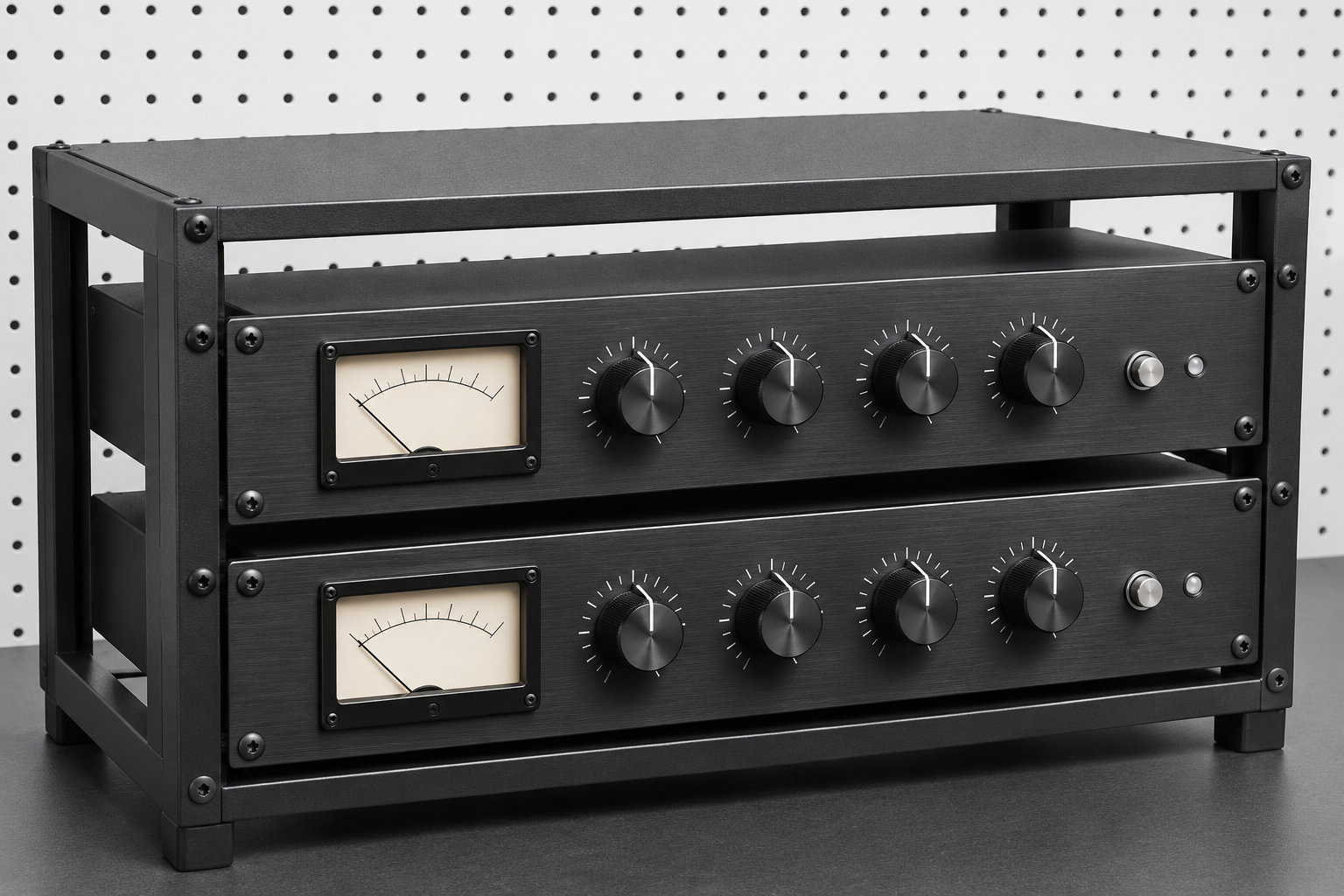
Bus compressors are the most over-thought purchase in a plugin folder. People buy a $200 SSL emulation to glue a drum loop, then fight it for an hour because the attack is wrong and the sidechain filter can’t be switched off. A free one that does the bread-and-butter job cleanly is worth more than a premium one you can’t get out of the way of.
That’s the thought going through my head as RiverFlux Audio rolls RF-BUS, a free bus compressor, into the Relic Bundle. I don’t have a public spec sheet in front of me, so I’m writing this from the premise that matters: what a bus compressor needs on a mix bus, and where the free tier tends to fall apart. Relic has shipped a small, disciplined set of plugins. If RF-BUS holds that line, it’ll be useful. If it chases a “character” it can’t back up, it’ll sit in a folder with the rest.
What a bus compressor actually has to do
Four controls and a decision.
Threshold, attack, ratio, release. The entire surface of a bus compressor that stays stuck to a mix is right there. Everything else is a luxury. Safari Audio’s Sun Bear, which sells for $129 and was recently discounted to $4.99 at Plugin Boutique, gets this right: threshold, attack, ratio, release, plus a sidechain filter for shaping how the compressor hears low-end content, and a ratio that goes as low as 1.2:1. That last number is the giveaway. A bus compressor is not there to slam. It’s there to shave 1 to 3 dB off the highest peaks and pull the whole mix together.
If RF-BUS ships with a usable low ratio and a slow attack, it’s already in the right territory. The attack on a bus compressor needs to be slow enough to let transients through. Somewhere in the 10 to 30 ms range is where you spend most of your time. Ratio at 2:1 is a workhorse. 4:1 is aggressive. Any higher and you’re not gluing, you’re squashing.
The sidechain filter is the thing that separates a real bus compressor from a compressor you happen to put on the bus. Kick drums kick the whole mix down when the compressor reacts to them. High-passing the sidechain (anywhere from 80 to 200 Hz) stops that from happening. Sun Bear includes this feature; that’s the right call. If RiverFlux left it off RF-BUS, that’s the first thing you’ll miss.
Where free bus compressors usually break
Interface first, then CPU, then metering.
Free compressors tend to get the gain reduction math right and the UI wrong. The controls are either cryptic or stacked in a layout that doesn’t match any other compressor you own. If you’re moving between three or four bus processors in a session, that mismatch costs you time. Audio Damage’s Rough Rider learned this over a decade of updates, and the current version is one of the cleaner interfaces you’ll find on a free dynamics plugin, with an external sidechain input and the ability to turn off the built-in “warming” filter. That’s the benchmark.
CPU is the second problem. A bus compressor sits on your final output and stays there for the whole session. One instance should not choke a mix. If RF-BUS runs light, good. If it doesn’t, you’ll notice on bigger projects where your master bus is already loaded down with EQ and a limiter.
Metering is the third. Gain reduction meters on free compressors are sometimes useless, so you’re mixing the bus by ear alone. That’s fine if the compressor sounds right and awful if you can’t tell how hard you’re hitting it.
The Relic connection
Bundling RF-BUS into Relic is a signal about how RiverFlux wants the ecosystem to sit. Relic reads like a curated collection, not a dump. A bus compressor belongs in that set because every mixing engineer needs one on every session. Pairing it with what’s already in Relic means you don’t have to hunt for a bus processor when the bundle is already installed.
The trade-off with any bundle tie-in: you’re installing the whole set to get the one piece you wanted. If you already own a bus compressor you like, RF-BUS has to prove it can do something yours can’t, or at least do the same job without distraction. If it’s genuinely free with no per-plugin cost, the calculus is simpler.
How I’d use RF-BUS if it lands well
Mix bus, first thing after the instruments are balanced. Threshold down until the meter shows 1 to 2 dB on the loudest sections. Attack around 20 ms so kick and snare transients survive. Release long enough that the needle moves with the music rather than the kick pattern. Ratio low. That’s it. If it can do that without pumping or dulling the top end, it’s a working bus compressor.
Next: parallel drum bus. Duplicate the drums, crush the copy through RF-BUS at 8:1 or higher, and blend it under the clean signal. Bus compressors do this well because their attack is already in the right place for it.
Then: leave it.
The worst thing you can do with a free plugin you like is try to justify it on every bus in the session. RF-BUS is a bus compressor. Put it on buses. Don’t put it on individual kick mics except as an experiment. The point is glue, and glue is a wide operation.
Where I’m skeptical
Free plugins sometimes ship without the two things that cost the developer time: sidechain filtering and lookahead. Sun Bear has sidechain filtering; Safari also builds a tape mode and a tube mode into it, which is where the paid price is justified. If RF-BUS lacks a sidechain filter, you can work around it by high-passing a duplicate of the bus before the compressor and feeding that in as an external sidechain, but that’s a workaround, not a feature.
Second skepticism: attack range. If RF-BUS starts its attack at 30 ms and goes up, you’ll struggle with bass-heavy material where faster control helps. If it goes from 0.1 ms to 100 ms, you’re covered for everything. Range matters more than the number of discrete steps.
Third: the name. RF-BUS is functional, and functional is fine. The plugin should not require a tutorial to set up. If it does, the free price is misleading.
The verdict I can give without the plugin in front of me
Bus compression is not where the plugin innovation lives. It’s where the plugin basics live. A free compressor with threshold, attack, ratio, release, a low ratio option and a sidechain filter is a useful tool. Add clean metering and low CPU and it’s a genuine recommendation. RiverFlux putting one inside Relic, at no additional cost, means every Relic user gets a mix bus compressor to learn on, which is exactly what a bundle should do.
Load it on your next session. Set ratio low, attack slow, threshold so the meter barely moves, and listen to whether the mix pops together or just gets darker. You’ll know in five minutes whether RF-BUS earns a place in your template. If it doesn’t, delete it and go back to what you have. That’s the only test a bus compressor needs to pass.